IntroductionՆերածություն
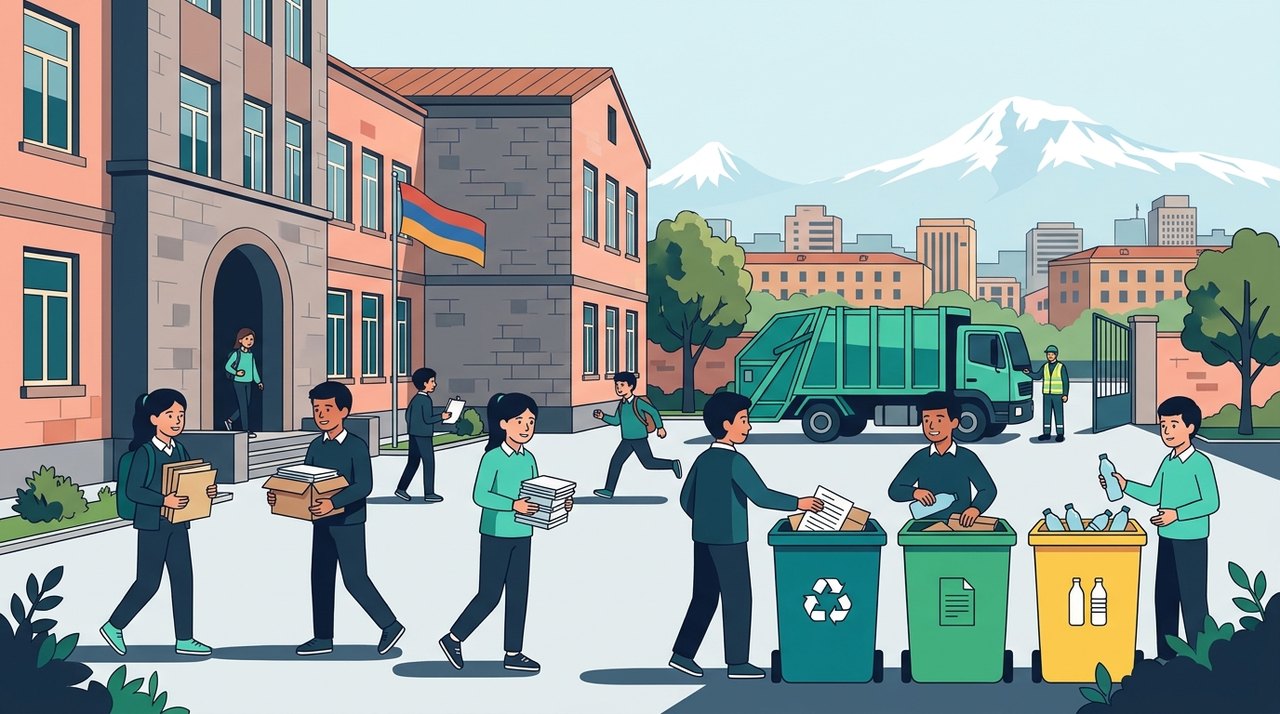
What happens after paper or plastic goes into a recycling bin? This article follows the main steps and looks at two separate Armenian examples: Green Green’s collection guidance and PlastMaster’s plastic processing.Ի՞նչ է տեղի ունենում, երբ թուղթը կամ պլաստիկը դնում ենք տեսակավորման աղբամանի մեջ։ Այս էջում հետևում ենք հիմնական քայլերին և ծանոթանում Հայաստանի երկու առանձին օրինակների՝ Green Green-ի հավաքման ուղեցույցին ու PlastMaster-ի պլաստիկի մշակմանը։
How it worksԻնչպես է աշխատում
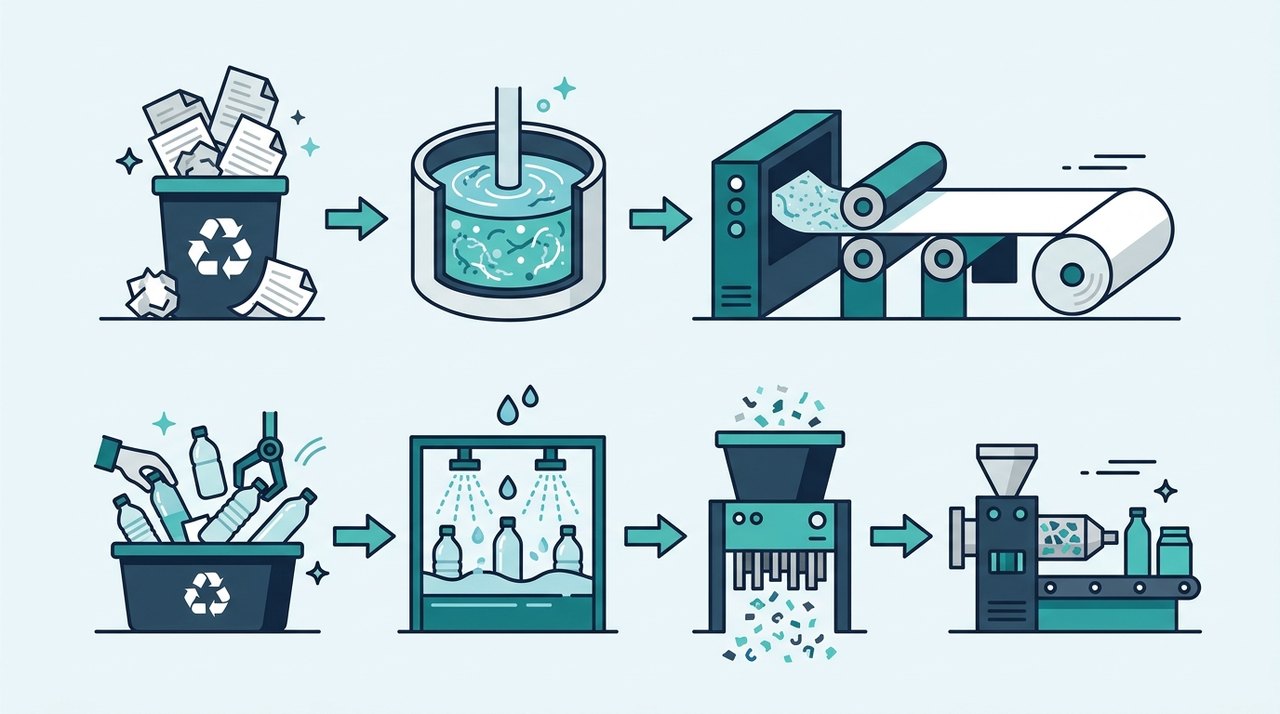
Paper: Used paper is collected and sorted. At a paper mill, it is mixed with water to make pulp, cleaned and formed into new paper or cardboard.
Plastic: Accepted types of plastic are separated, washed and shredded. Depending on the material and facility, the pieces can be processed into raw material for new products. A recycling symbol alone does not mean every local collection point accepts an item.
Թուղթ․ Օգտագործված թուղթը հավաքվում և տեսակավորվում է։ Թղթի գործարանում այն խառնում են ջրի հետ՝ ստանալով թղթախյուս, ապա մաքրում և վերածում նոր թղթի կամ ստվարաթղթի։
Պլաստիկ․ Ընդունվող տեսակները բաժանում են, լվանում ու մանրացնում։ Կախված նյութից և գործարանից՝ կտորները կարող են դառնալ նոր արտադրանքի հումք։ Միայն վերամշակման նշանը չի նշանակում, որ տվյալ իրը կընդունեն բոլոր հավաքման կետերում։
Armenian exampleՀայկական օրինակ
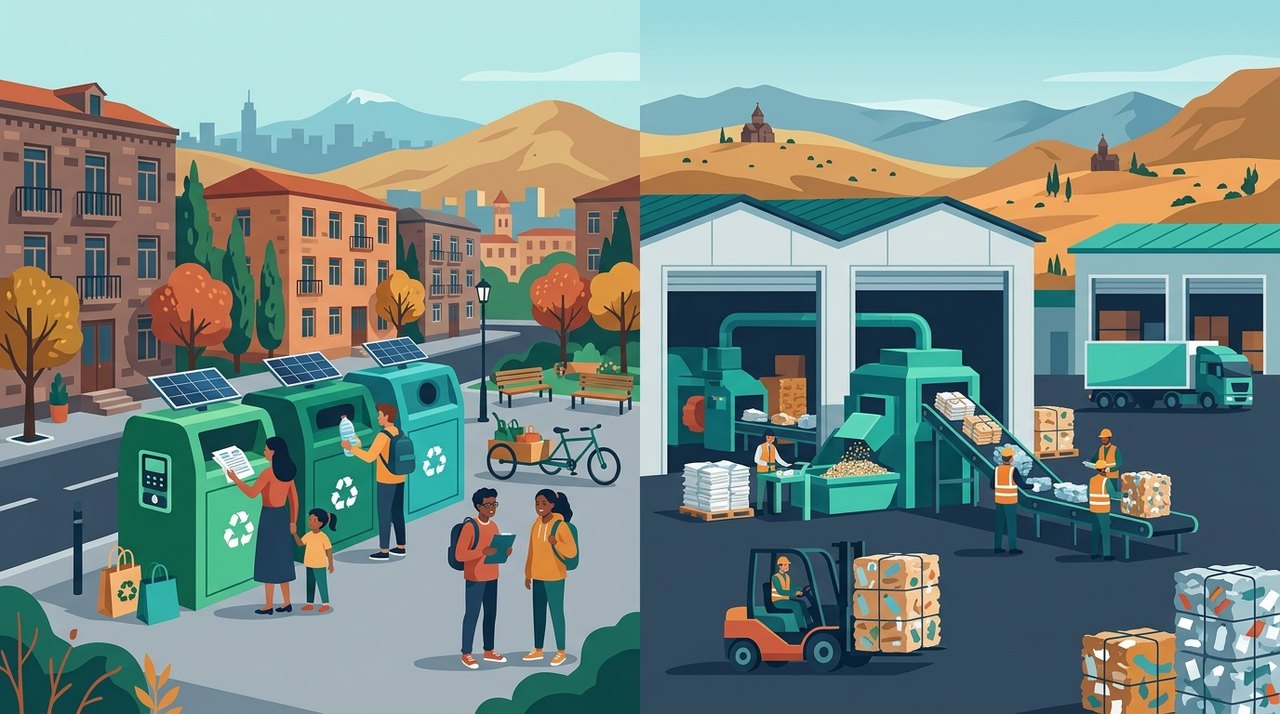
Green Green publishes separate collection guidance for Yerevan, including what paper and plastic its city containers accept and how to prepare them. PlastMaster describes a plastic recycling process in Armenia: collection, sorting, washing and shredding, then making reusable raw material.
These are two examples of collection guidance and processing. We have not established that material placed in a particular Green Green container is sent to PlastMaster. To trace one actual item, we would need to ask the collector where that load goes.
Green Green-ը հրապարակում է Երևանի առանձին հավաքման կանոնները՝ նշելով, թե ինչ թուղթ ու պլաստիկ կարելի է դնել քաղաքային աղբամաններում և ինչպես պատրաստել դրանք։ PlastMaster-ը ներկայացնում է Հայաստանում պլաստիկի մշակման փուլերը՝ հավաքում, տեսակավորում, լվացում և մանրացում, ապա կրկին օգտագործվող հումքի ստացում։
Սրանք հավաքման ուղեցույցի և մշակման երկու առանձին օրինակներ են։ Մենք չենք պարզել, որ Green Green-ի կոնկրետ աղբամանի նյութը գնում է PlastMaster։ Մեկ նյութի իրական ուղին իմանալու համար պետք է հարցնել հավաքող կազմակերպությանը։
Benefits & challengesԱռավելություններ և դժվարություններ
Recycling keeps some useful material in circulation and can reduce waste sent to landfill. But a wrong or dirty item can spoil a batch or require extra sorting. Green Green’s guidance, for example, asks people to empty and rinse accepted plastic bottles and keep greasy paper out of paper collection.
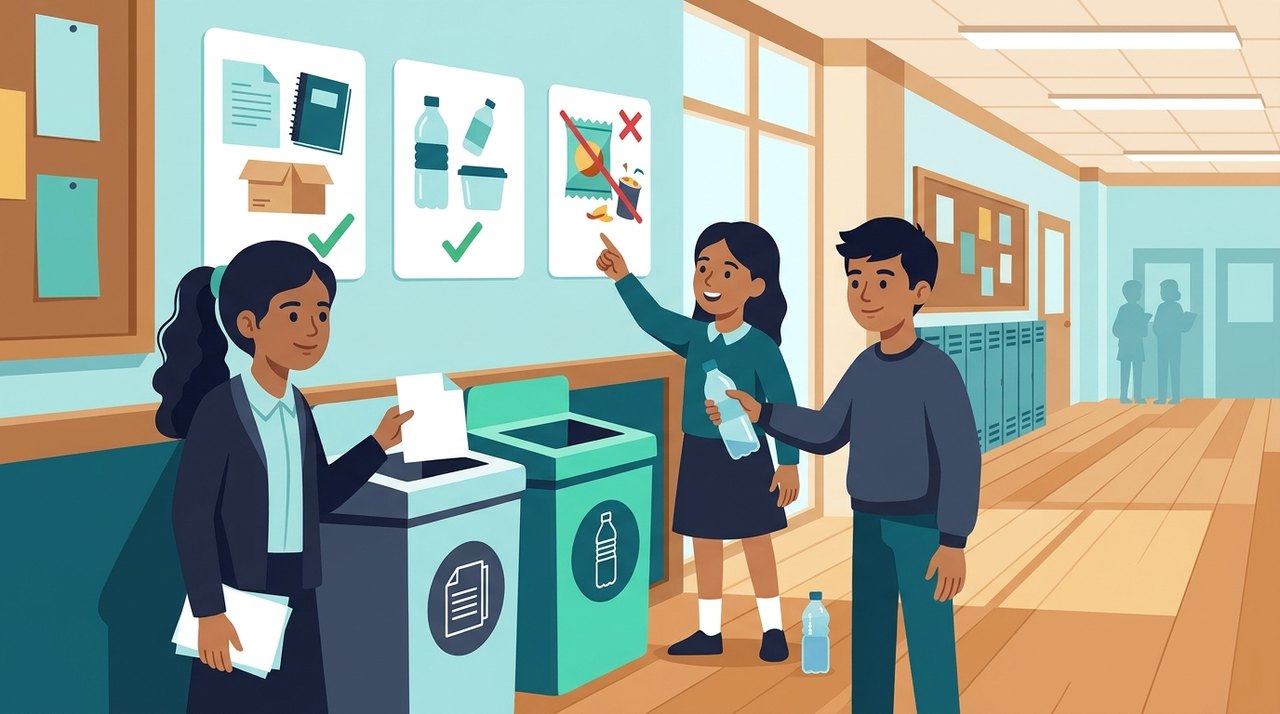
Collection rules vary by operator. Before setting up any school sorting point, the class and teacher should check what its actual collector accepts and how materials will be picked up.
Վերամշակումը թույլ է տալիս որոշ օգտակար նյութեր կրկին օգտագործել և կարող է նվազեցնել աղբավայր ուղարկվող թափոնը։ Սակայն սխալ կամ կեղտոտ իրը կարող է աղտոտել հավաքված նյութը կամ լրացուցիչ տեսակավորում պահանջել։ Օրինակ՝ Green Green-ի ուղեցույցը խորհուրդ է տալիս ընդունվող պլաստիկ շշերը դատարկել ու ողողել, իսկ յուղոտ թուղթը չդնել թղթի հավաքման մեջ։
Կանոնները տարբեր են՝ ըստ հավաքող կազմակերպության։ Մինչև դպրոցում տեսակավորման կետ ստեղծելը դասարանը և ուսուցիչը պետք է պարզեն, թե իրենց հավաքողն ինչ է ընդունում և ինչպես է այն տանելու։
ConclusionԵզրակացություն
A useful first step is to check the collector’s rules and make a short list of accepted paper and plastic. Then we can prepare clear labels for a possible school collection point with the teacher. Sorting matters most when we know what happens after collection.
Առաջին օգտակար քայլը հավաքող կազմակերպության կանոնները ստուգելն ու ընդունվող թղթի և պլաստիկի կարճ ցուցակ պատրաստելն է։ Այնուհետև ուսուցչի հետ կարելի է պարզ պիտակներ կազմել դպրոցում հնարավոր հավաքման կետի համար։ Տեսակավորումն ավելի իմաստալից է, երբ գիտենք՝ ինչ է լինում նյութի հետ հավաքումից հետո։
SourcesԱղբյուրներ
- Green Green — separate collection containers in Yerevan: accepted items and preparation rules.
- PlastMaster — plastic recycling in Armenia: the company’s own description of its work.
- American Forest & Paper Association — paper recycling process: a general explanation of collection, pulping and new paper.
- AUA Acopian Center — FAQ on waste in Armenia: context on local recycling capacity and collection.
- Green Green — Երևանի տեսակավորման աղբամաններ․ ընդունվող նյութերն ու պատրաստման կանոնները։
- PlastMaster — պլաստիկի վերամշակում Հայաստանում․ կազմակերպության ներկայացրած աշխատանքը։
- Ամերիկյան անտառային և թղթային ասոցիացիա — թղթի վերամշակման ընթացքը․ հավաքումից մինչև նոր թուղթ ընդհանուր բացատրություն։
- ՀԱՀ Ակոպյան կենտրոն — թափոնների վերաբերյալ հարցեր․ տվյալներ Հայաստանում հավաքման և վերամշակման մասին։
Visuals supplied with the project materials. Educational illustrations explain the ideas; they are not exact engineering plans.Պատկերները տրամադրված են նախագծային նյութերում։ Ուսումնական նկարազարդումները բացատրում են գաղափարները և ճշգրիտ ինժեներական գծագրեր չեն։